Kashmir winters
Why Your Windows Run With Water in Winter, and What Actually Helps
In short
Water on the inside of the glass comes from warm, moist air in the room meeting a cold surface. Double glazing keeps the inside pane warmer and sealed frames stop cold draughts, which both help, but no window removes condensation on its own. Letting moist air out, especially from kitchens, bathrooms and heated rooms, matters just as much.
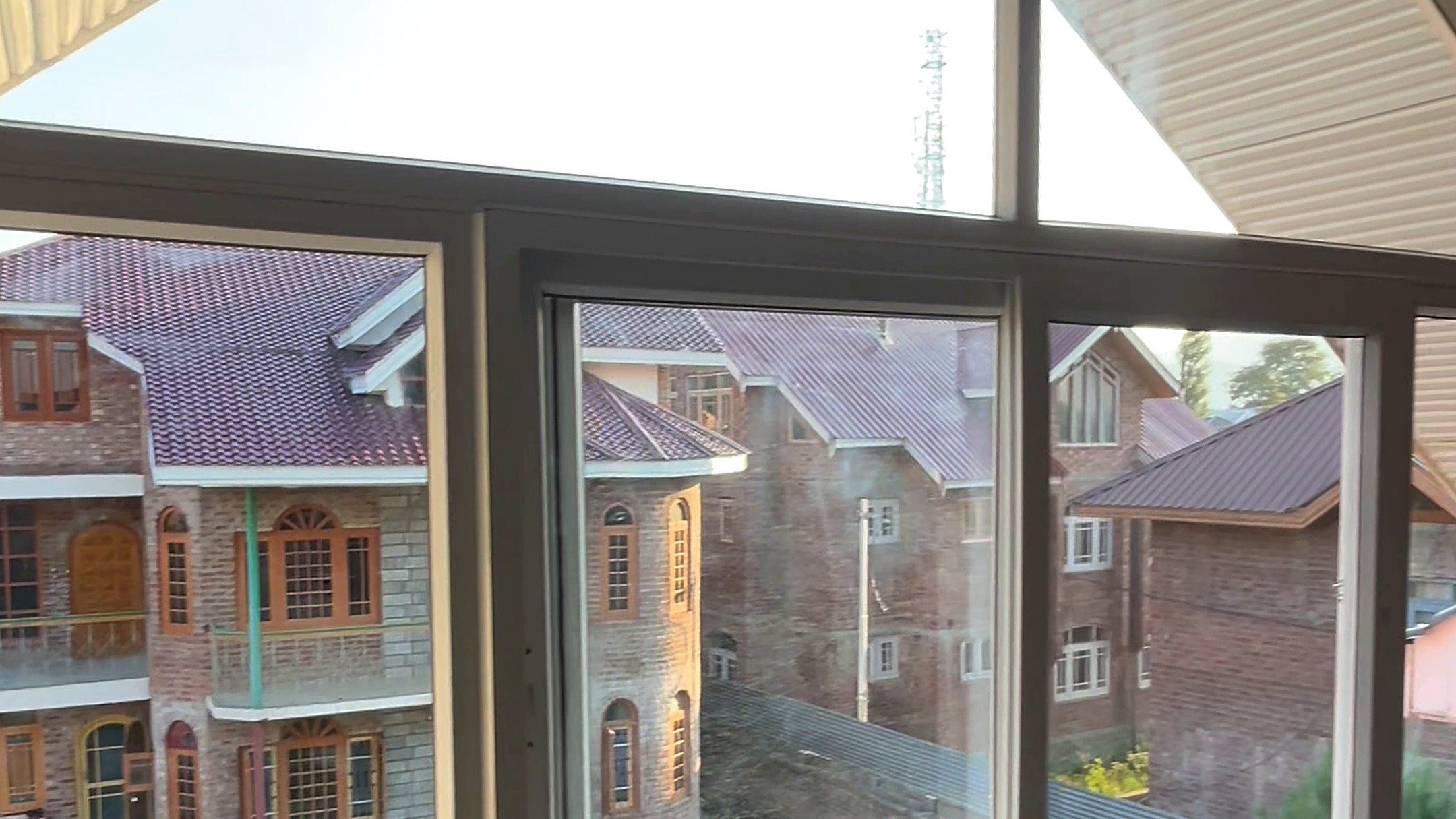
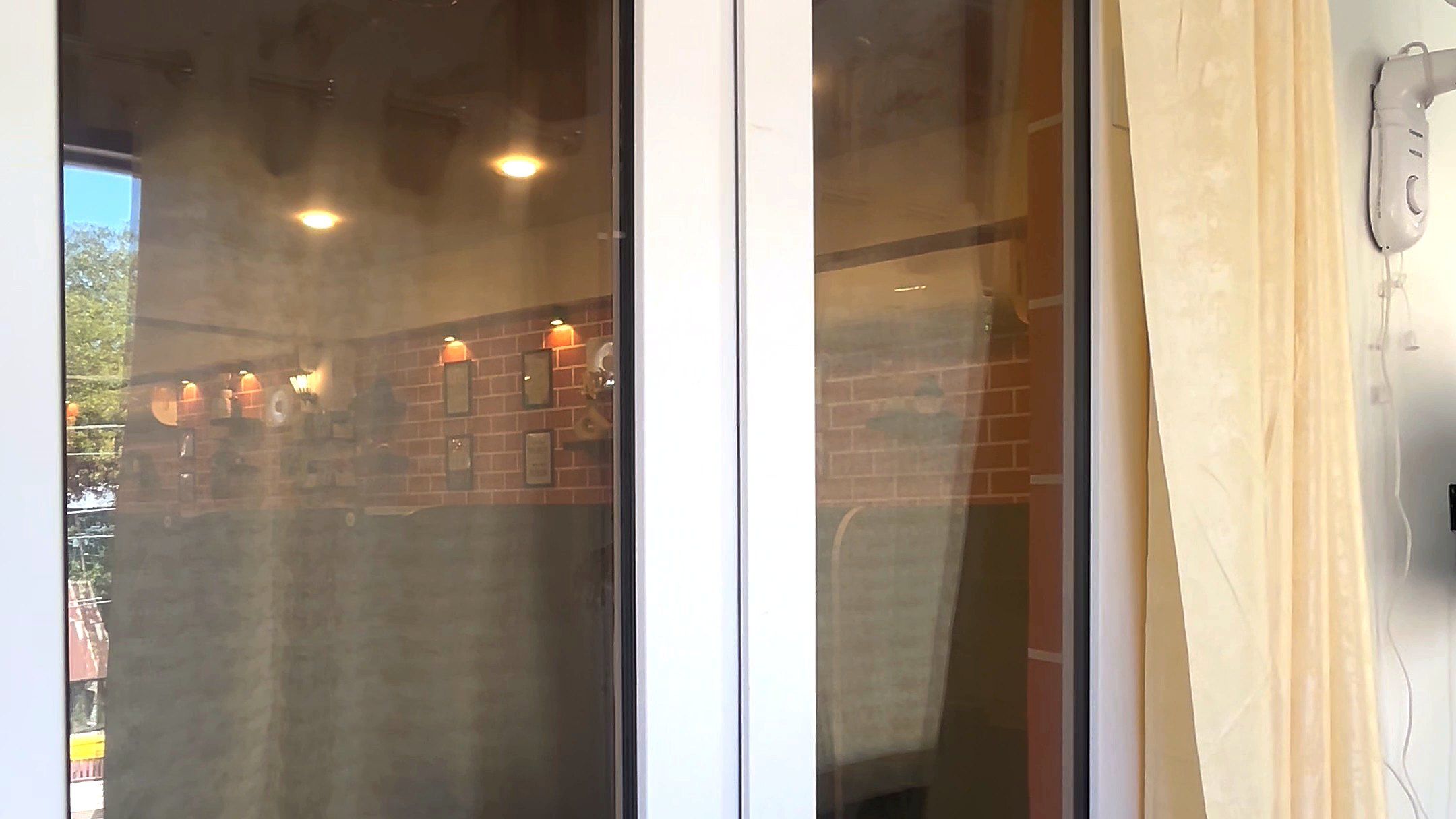
It is the first thing many people notice in Chillai Kalan: you wake up and the glass is streaming, water pooling on the sill, the curtains damp at the bottom. Here is why it happens and what genuinely helps.
Where the water comes from
Air always carries some water vapour. Warm air can hold more of it than cold air. When warm, moist air in a room touches a cold surface, it cools and drops some of that water as droplets. The coldest surface in a winter room is usually the window glass.
In a Kashmir house in winter, a lot of moisture goes into the air:
- Cooking, especially rice and noon chai on the stove
- A gas heater (burning gas releases water vapour)
- Washing and drying clothes indoors
- The hamam
- Several people sleeping in a closed room
What double glazing changes
A double-glazed unit has two panes of glass with a sealed cavity between them. The inside pane is separated from the cold outside pane, so it stays noticeably warmer than single glass. A warmer surface means less water forms on it.
On top of that, a uPVC frame does not conduct cold the way a metal frame does, so the frame itself stays closer to room temperature.
What actually helps
- Let moist air out. Open a window a little after cooking and after a bath. A tilt-and-turn window can stay tilted open slightly without a draught across the room. A top-hung window suits kitchens and bathrooms.
- Keep the heat steady. Rooms that swing from very warm to very cold get more condensation.
- Do not dry clothes in closed bedrooms.
- Wipe the glass in the morning and keep sill drainage clear.
- Seal the cold out. Draughts make the glass and frame colder. Gaskets on every side and a frame sealed properly to the wall help.
Water between the two panes
If you see mist between the two panes of a double-glazed unit, that is different. It means the seal around the unit has failed and moist air has got in. Wiping will not help; the glass unit needs replacing. Contact the people who fitted it.
In short
Warmer glass, fewer draughts and a way to let moist air out. That combination does more than any single product. Read more in our guide to what keeps the cold out in a Kashmir winter.
Questions people ask
Will uPVC windows stop condensation?
No window can promise that. Double glazing keeps the inside glass warmer, which reduces condensation, but the moisture in the room and how it is ventilated matter as much.
Why is there more condensation with a gas heater?
Burning gas releases water vapour into the room. Closed rooms with gas heaters often have the heaviest condensation, so ventilation is especially important.
Is condensation between the two panes the same problem?
No. Moisture inside a sealed double-glazed unit means the unit's seal has failed and it needs replacing. Contact your fabricator.