Where the cold gets in
In most houses the glass is not the main problem. Cold air comes in round the frame: through joints in wooden frames that have shrunk over the years, through gaps where an aluminium sash meets its frame, and through the joint between the frame and the wall.
That is why a room can stay cold however long the bukhari burns. The heat is not the problem; it is leaking out as fast as you make it.
What a uPVC window does differently
Corners that are welded, not screwed
uPVC frame corners are fused together on a welding machine and then cleaned. There is no corner joint to open up over time.
A seal on every side
On casement and tilt and turn windows, EPDM gaskets run all the way round. When the handle locks, the sash is pulled onto those gaskets on every side. Sliding windows seal with brush seals and interlocks instead, which is why we usually suggest casement or tilt and turn for bedrooms.
Double glazing
A double-glazed unit has two panes with a sealed cavity between them. The inside pane stays warmer than single glass, so the room feels less of a chill near the window.
Steel inside the frame
Galvanised steel reinforcement runs inside the profile chambers, keeping long frames straight so they keep sealing properly year after year.
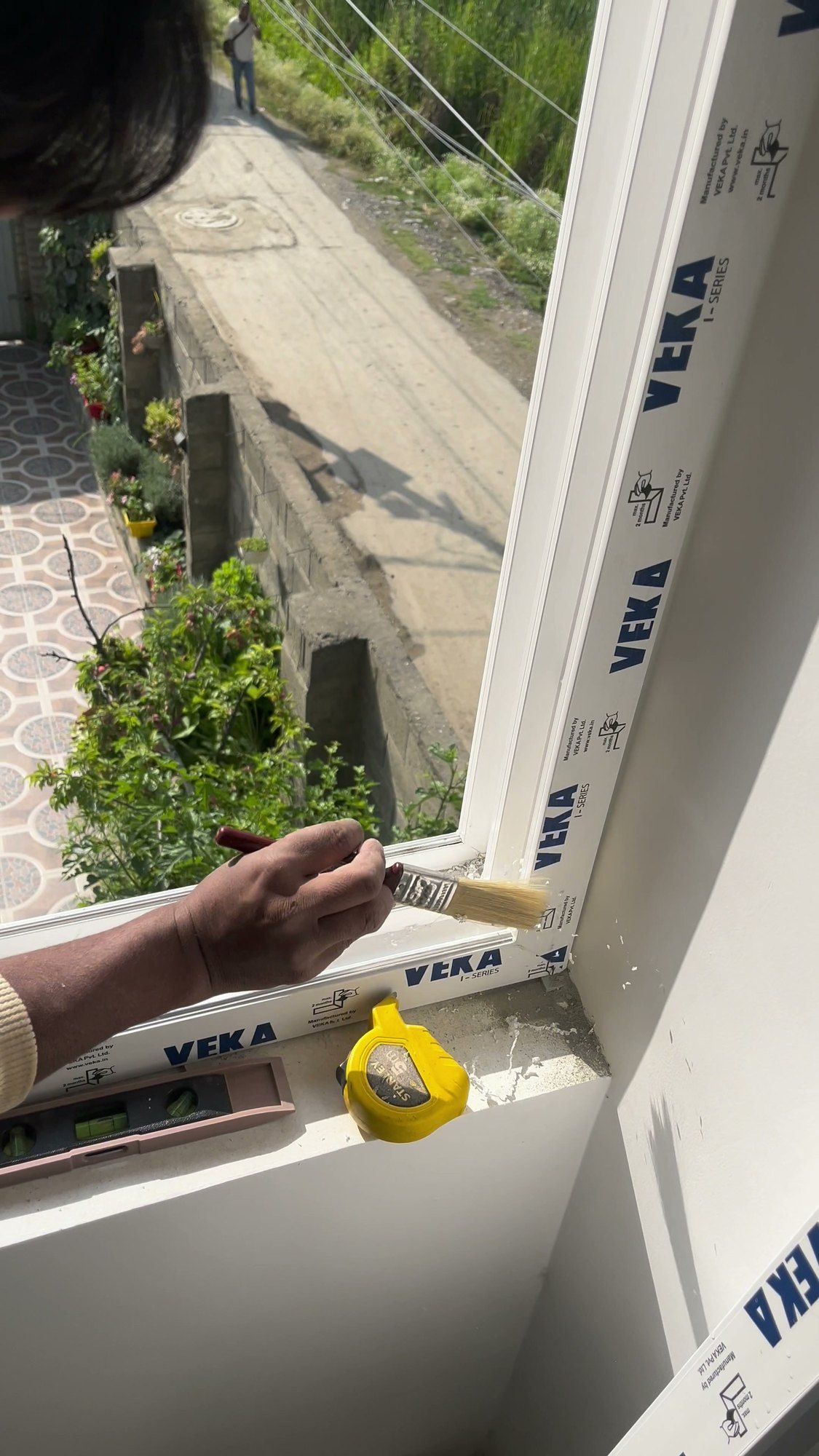
A frame sealed to the wall
The last joint is between the frame and your wall. We pack, fix and seal it to suit the wall, whether it is new brick, concrete or an old house being renovated.
About condensation
No window can promise to end condensation, and we will not tell you it does. Water forms on glass when warm, moist air meets a cold surface. Cooking, washing, breathing, a hamam and a gas heater all add moisture to a closed room in winter.
Double glazing keeps the inside pane warmer, which helps. Letting a little air through helps too: a tilt and turn window can stay tilted slightly open on a cold night, and top-hung windows suit kitchens and bathrooms.
Choosing windows room by room
- Bedrooms: casement or tilt and turn, double glazed.
- Living rooms: fixed glass with an opening sash for the view.
- Kitchens: sliding, casement or top-hung, with mesh for summer.
- Bathrooms: top-hung with frosted glass.
- Balconies: French or sliding doors.
Plan before the cold
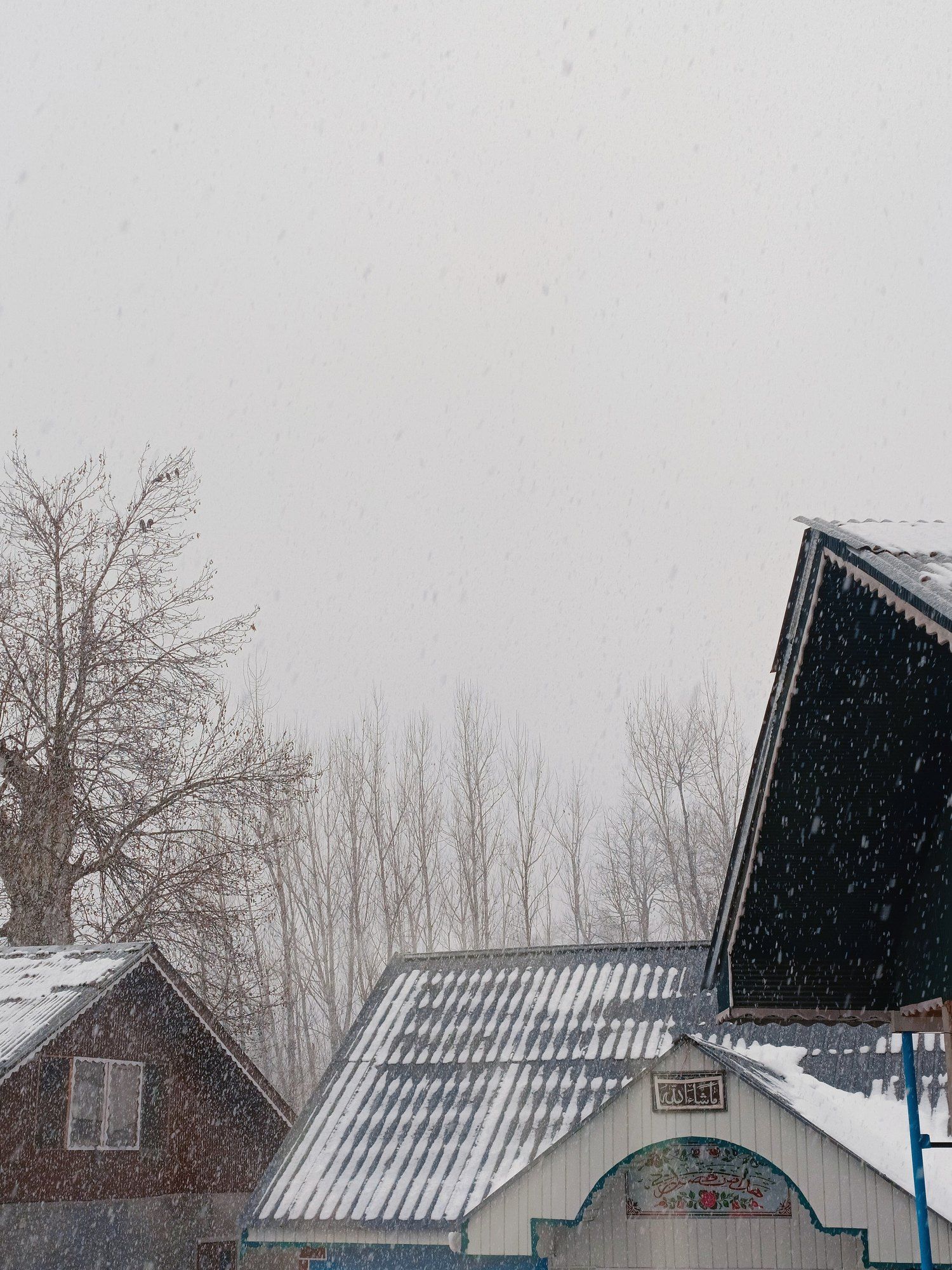
Measuring, making and fitting take time, and every house in the Valley seems to want new windows the week the cold arrives. If you want yours in before Chillai Kalan, send your sizes in the autumn.
Winter questions
Are uPVC windows good for Kashmir winters?
They suit Kashmir well when the whole assembly is right: welded corners, gaskets on every side, double glazing and a frame sealed properly to the wall. A good profile fitted badly will still let cold in, so the installation matters as much as the window.
Single or double glass for Kashmir?
For rooms you heat in winter, double glazing (a sealed unit of two panes) is the usual choice. It keeps the inside pane warmer than single glass. Single glass can make sense for stores and unheated spaces.
Why do my windows run with water in winter?
Warm, moist air from cooking, breathing, a bukhari or a hamam meets cold glass and condenses. Warmer inside glass helps, and so does letting a little air through; a tilt and turn window can stay tilted open slightly in winter.
When should I replace windows, before or after winter?
Before Chillai Kalan if you can. Measurement, fabrication and fitting take time, and demand rises as the cold sets in. Send your sizes early so your windows are in before the coldest weeks.